
Breast Cancer Survivors Share Their Stories, Part 1

1 in 8 women will be diagnosed with breast cancer in her lifetime. 1 in 8. In light of National Breast Cancer Awareness month, we are honored to share the stories, insights, wisdom and really, really big hearts of four very generous and brave breast cancer survivors. We asked each incredible woman four questions and they graciously shared a glimpse of their journeys - we'll share two here and two in part 2. Meet Beth and Heather below - one lovely soul from each coast who explain answers to these questions:
- How did you find out you had breast cancer?
- What happened next?
- What were the best ways people supported you?
- What do you know now that you wish you knew?
Beth, Breast Cancer Survivor
It was in the spring of 2017, when I felt a pea size lump in my left breast while taking a shower. It was easy to convince myself that it was due to my dense breast tissue. I was 39 and I had zero family history of cancer. After the usual testing, I was diagnosed with stage 1 invasive ductal carcinoma. I was sitting in my office at work when I received the call. Deep down, I knew it was cancer. I experienced the initial shock and wave of anxiety. I drove home in silence thinking, how will I tell my parents? My siblings? My friends? Especially my friends who lost their mothers to breast cancer?

My tumor was triple positive, grade 3, and my oncotype was on the high end, making it more aggressive. My initial course included 6 rounds of chemo, a double mastectomy and a year of immunotherapy. Pathology showed micromets (we are still amazed the pathologist actually found it) in one of my nodes and therefore I had to proceed with 30 rounds of radiation. I was fortunate that my body handled treatment well with the usual side effects, although mild. I was relieved that my head is decently shaped and I was able to rock the bald look. I had fun experimented with different colored wigs. May as well make the most of the situation!
I had the most incredible army of people supporting me. There are not enough words to describe how amazing those around me were. My parents were my pillars of strength. They were at every appointment, every treatment, every surgery, and every day checking on me. I could never have managed without them. I also have an amazing brother and sister who checked on me constantly even though they were thousands of miles away. Every time I face timed my 3 yr old niece - she would talk about my hair and how it was growing back or the wig I was wearing. Her innocence and the sound of her voice kept my spark alive.
My friends and coworkers helped me have purpose outside of cancer and treatment. Their support was almost overwhelming. Simple messages that they were thinking of me...something so small made a huge impact on me. People would give me hugs when I didn’t even realize I needed one. I would like to point out that I’m a rather private person. But I took a different approach and was extremely open about how I was feeling and the ins and outs of cancer. I journaled my treatment (with lots of humor) so others could stay updated and join the ride if they wanted. I chose to be a role model for overcoming life’s challenges and have become a mentor to other women which has been extremely gratifying. When you experience something as awful as cancer, it’s incredible to see all the people in your life that love you...and I am really really loved. As my father so eloquently put it- It took a village to take care of my boobs. I was the star but it took a village.
In preparation for treatment, I wanted to be a sponge and absorb as much information as possible. I knew I would feel better equipped to dive into treatment with more knowledge. I wish cancer care teams better educated survivors on the aftermath. Once you’ve had your last chemo session, surgeries are in the rear view mirror, and appointments dwindle down, you are left with this body that is very different than before. I was fast tracked into menopause at the age of 39 and no one prepared me for how this would affect my body. And, how do I navigate with this new body that is not functioning as efficiently before, is weaker, has been poked and prodded, and physically looks different?
While I highly respect my care team’s expertise to rid my body of the cancer, they need to look beyond the immediate course. They need to help guide survivors through this stage and remember there is still a woman wanting to live a fulfilling life afterwards.
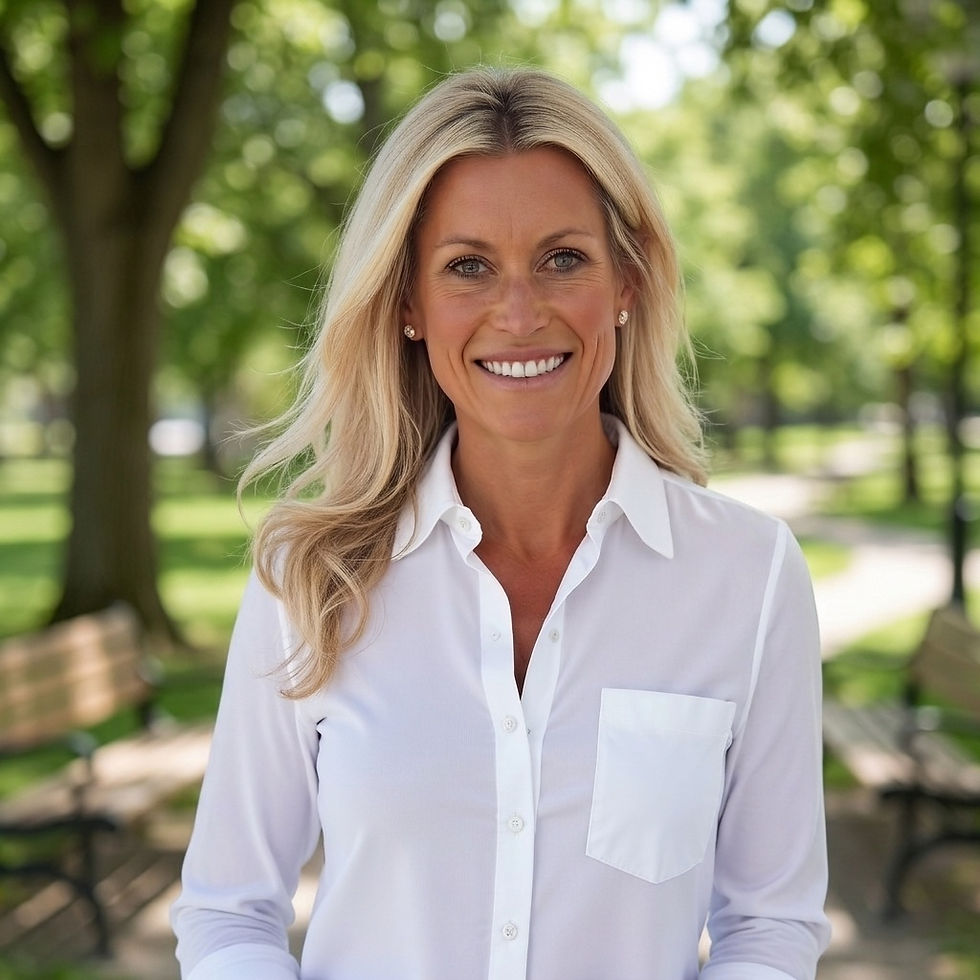
Heather, Breast Cancer Survivor
In 2023, I found a lump in my breast. Because I was not yet 40, I had not previously had a mammogram. I scheduled one and was initially told the lump appeared to be a noncancerous fibroadenoma. We continued to monitor it with regular mammograms for a year.
When the lump grew by more than twenty percent, my doctors decided to perform a biopsy, although they were still confident it was a fibroadenoma. Unfortunately, on May 2, 2024, a date I will never forget, the biopsy results appeared in MyChart before my doctor called. The diagnosis was invasive ductal carcinoma, breast cancer.
After meeting with my oncology team, we determined that I would need a lumpectomy to remove the lump, along with lymph node testing to make sure the cancer had not spread. The surgery was successful, and all of the cancer was removed from my breast. However, a small amount of cancer was found in one lymph node.
Because of that finding, my treatment plan changed. I received twice the radiation that was originally planned and became a candidate for chemotherapy. Working closely with my medical oncologist, whose research focuses on breast cancer in women age 40 and younger, we carefully weighed the benefits and risks and decided chemotherapy was not the right choice for me. Instead, I completed 30 daily rounds of radiation and began daily medication.
Now, more than two years after my diagnosis, I take two daily medications, receive a monthly injection, and have infusions every three months to help reduce the risk of recurrence. I have also made lifestyle changes that support both my mental and physical health, including eating a cleaner diet, strength training, and abstaining from alcohol.
My faith played an important role throughout my treatment. I relied heavily on God to help me stay positive during some very difficult days. My husband and two sons were by my side every day, finding ways to make me smile even when I felt like screaming or crying.
I kept my circle small and did not share my diagnosis with many people at first. Still, I am incredibly blessed with an amazing family and close group of friends who supported me every step of the way. One of the most meaningful forms of support was talking with others who could relate and had experienced similar situations. That connection meant so much to me, and I now try to support others who are newly diagnosed.
One of the most important lessons I have learned is the importance of advocating for yourself. Looking back, I wish I had pushed for a mammogram sooner, asked more questions, and requested a biopsy earlier. I cannot change what happened, but I can use my experience to be more proactive about my health moving forward.
Today, I advocate for myself and do not settle when I feel I need additional answers. Your health is one of the most important things in your life. Listen to your body, ask questions, and do everything you can to care for it.
For more on Breast Cancer Awareness Month, please visit Susan G. Komen.
The stories of Beth and Heather are unique to them and are not intended to share any medical advice. Should you have any questions or concerns, consult your doctor.


